
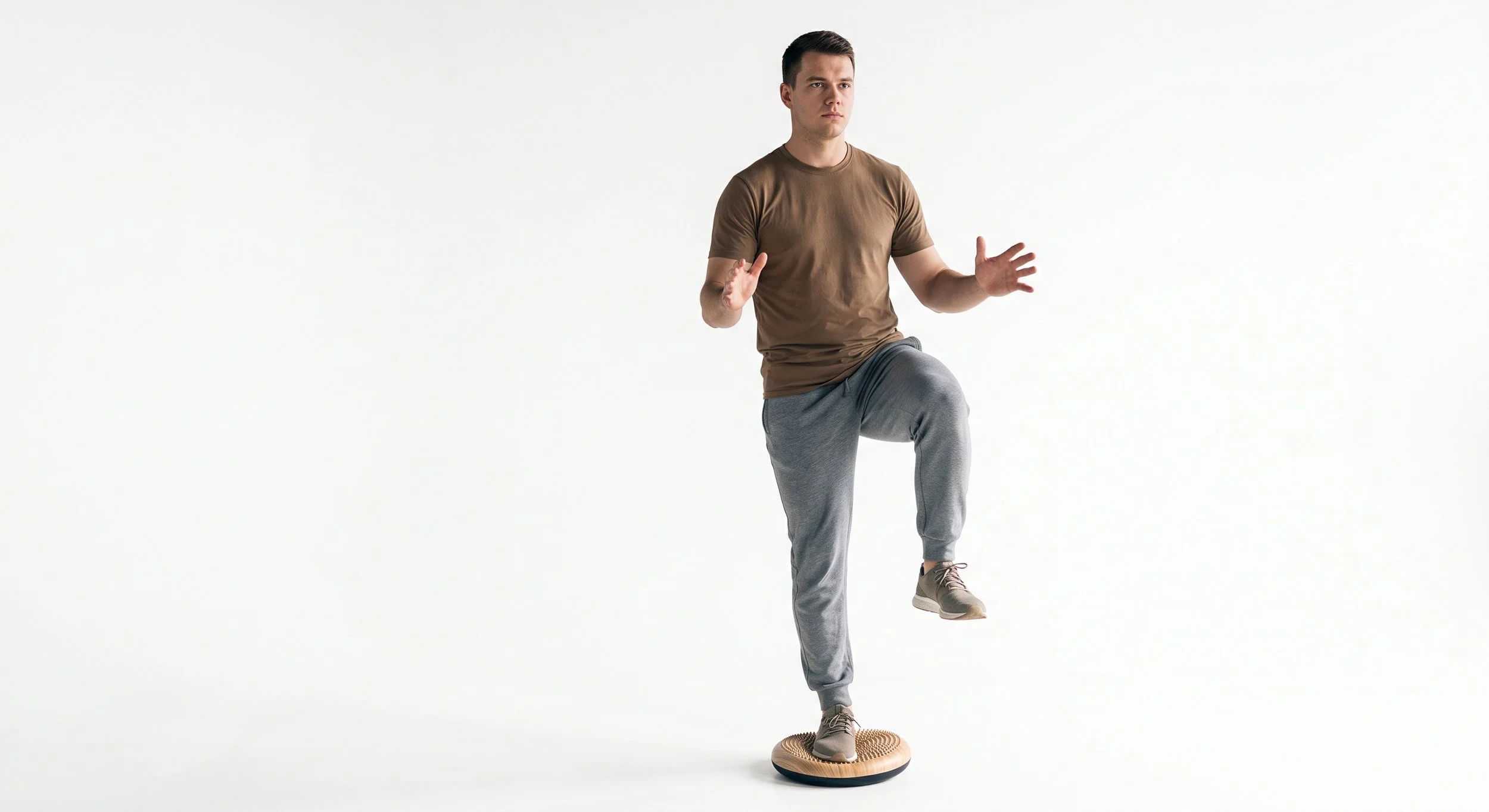
Improve Balance Reclaim Your Movement
Balance Training & Fall Prevention in Melbourne, FL

Move With Confidence. Improve Stability. Stay Independent.
Feeling unsteady on your feet can affect more than your balance. It can make walking, navigating stairs, exercising, and even leaving your home feel less comfortable. Whether you're experiencing dizziness, difficulty walking on uneven surfaces, or concerns about falling, balance problems can limit your independence and confidence.
At Fortified Physical Therapy, we help patients improve balance, coordination, strength, and mobility through individualized physical therapy. Our approach focuses on identifying the factors contributing to your instability and developing a treatment plan designed around your abilities, needs, and goals.
Don't let balance problems limit your independence.
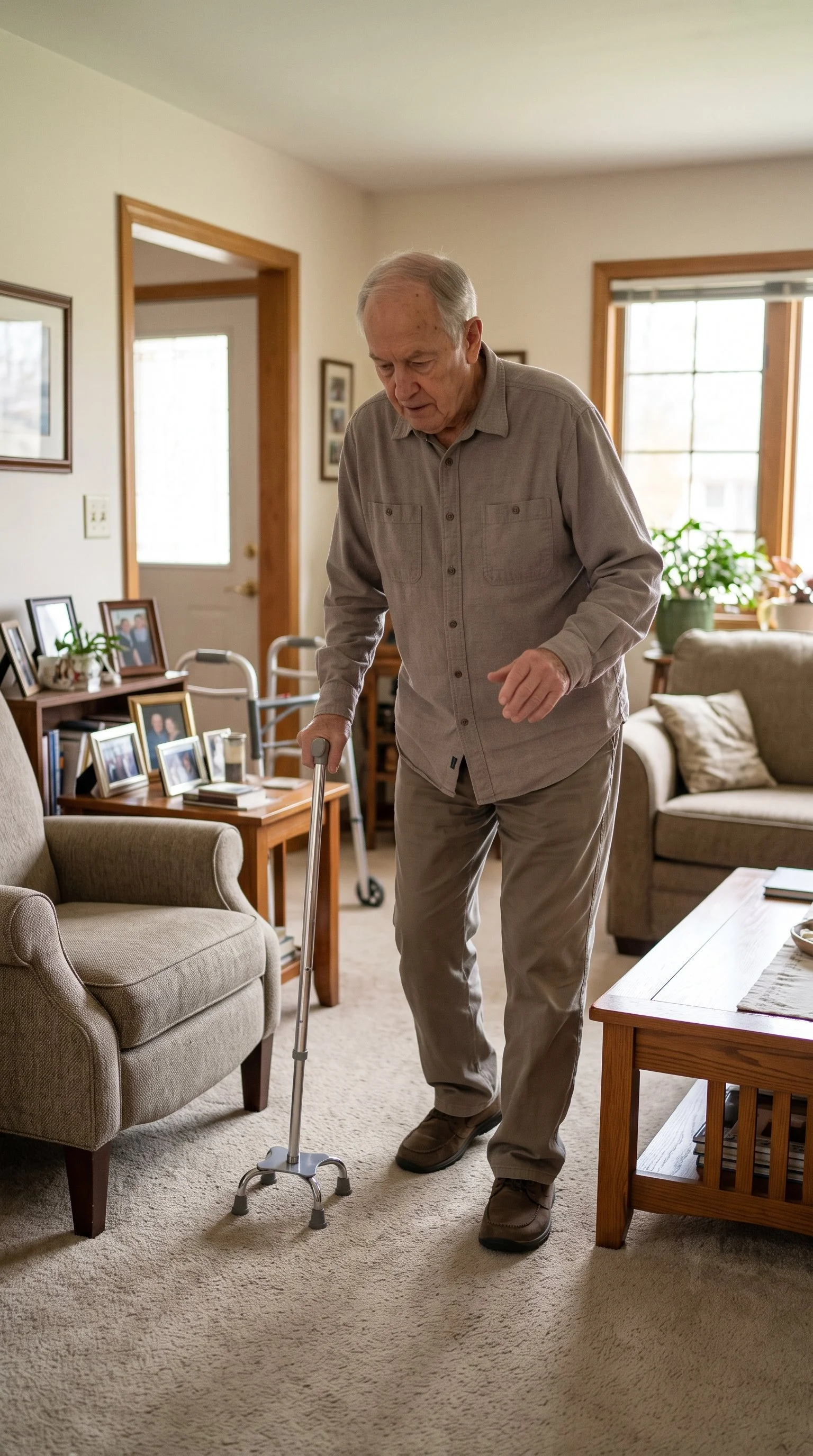
Balance Problems Shouldn't Dictate Your Life
Balance is a complex process involving your vision, inner ear, nervous system, muscles, and joints. When one or more of these systems isn't functioning effectively, everyday movements can become more challenging.
You may notice yourself reaching for furniture while walking, feeling unsteady when turning your head, avoiding uneven ground, or becoming hesitant when walking in crowded environments. These changes can gradually reduce your activity level and confidence.
At Fortified Physical Therapy, we evaluate the factors that influence your balance and mobility to develop a targeted rehabilitation program. Our goal is to help you move more safely, improve your confidence, and maintain the independence needed to enjoy everyday life.
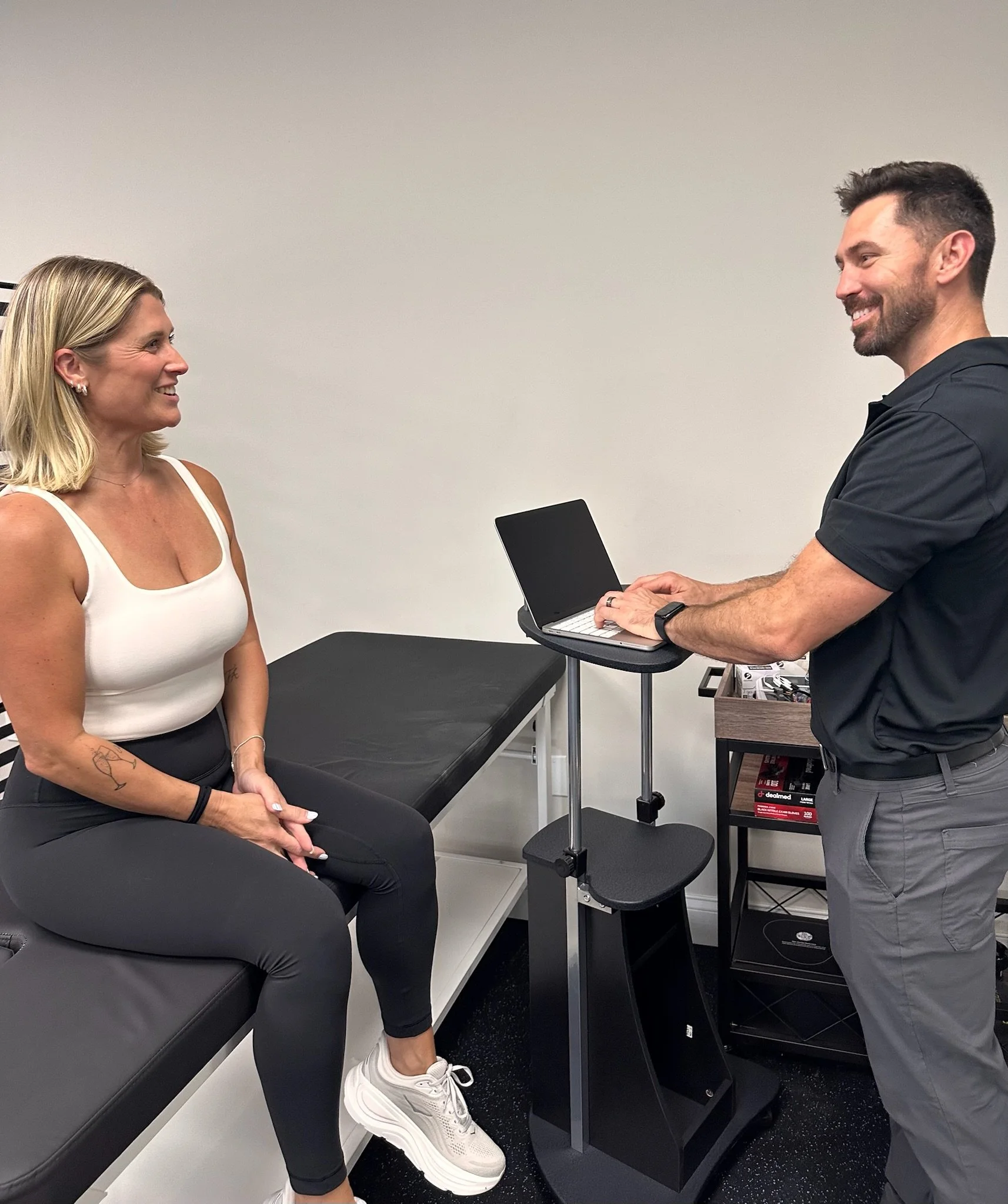
Why Standard Balance Exercises May Not Be Enough
Balance problems can have different causes, which means the same exercises won't work equally well for everyone. Effective rehabilitation requires understanding why you're unsteady and addressing the specific limitations affecting your movement.
At Fortified Physical Therapy, we tailor your treatment to your evaluation findings and functional goals.
Identify the Contributing Factors: We assess balance, walking ability, lower-body strength, coordination, mobility, and relevant vestibular function to understand what may be affecting your stability.
Train the Systems That Support Balance: Your program may incorporate targeted balance exercises, functional strengthening, gait training, and vestibular rehabilitation when appropriate.
Progress at Your Pace: Exercises are adjusted as your abilities improve, allowing you to safely build confidence in increasingly challenging situations.
Rather than simply giving you a list of exercises, we focus on improving the physical abilities you need to navigate your daily environment with greater confidence.

Common Balance and Dizziness Conditions We Treat
Balance difficulties can develop for many reasons, from age-related changes and muscle weakness to inner-ear disorders and neurological conditions.
Fortified Physical Therapy provides individualized rehabilitation for patients experiencing:
Balance Deficits: Difficulty maintaining stability while standing, walking, or changing positions.
Vestibular Dysfunction: Problems involving the inner-ear balance system that can contribute to dizziness, motion sensitivity, or unsteadiness.
Benign Paroxysmal Positional Vertigo (BPPV): Brief episodes of spinning triggered by specific head movements, which may respond to specialized repositioning maneuvers.
Gait and Walking Difficulties: Challenges with walking speed, coordination, turning, or navigating uneven surfaces.
Age-Related Balance Changes: Changes in strength, reaction time, mobility, or sensory function that can affect stability.
Post-Injury Balance Impairments: Balance difficulties following certain injuries, including concussion, when appropriate for physical therapy.
Reduced Confidence With Movement: Fear of falling that leads to avoiding activities or limiting participation in daily life.
Your evaluation helps determine which rehabilitation strategies are appropriate and whether additional medical assessment is needed.
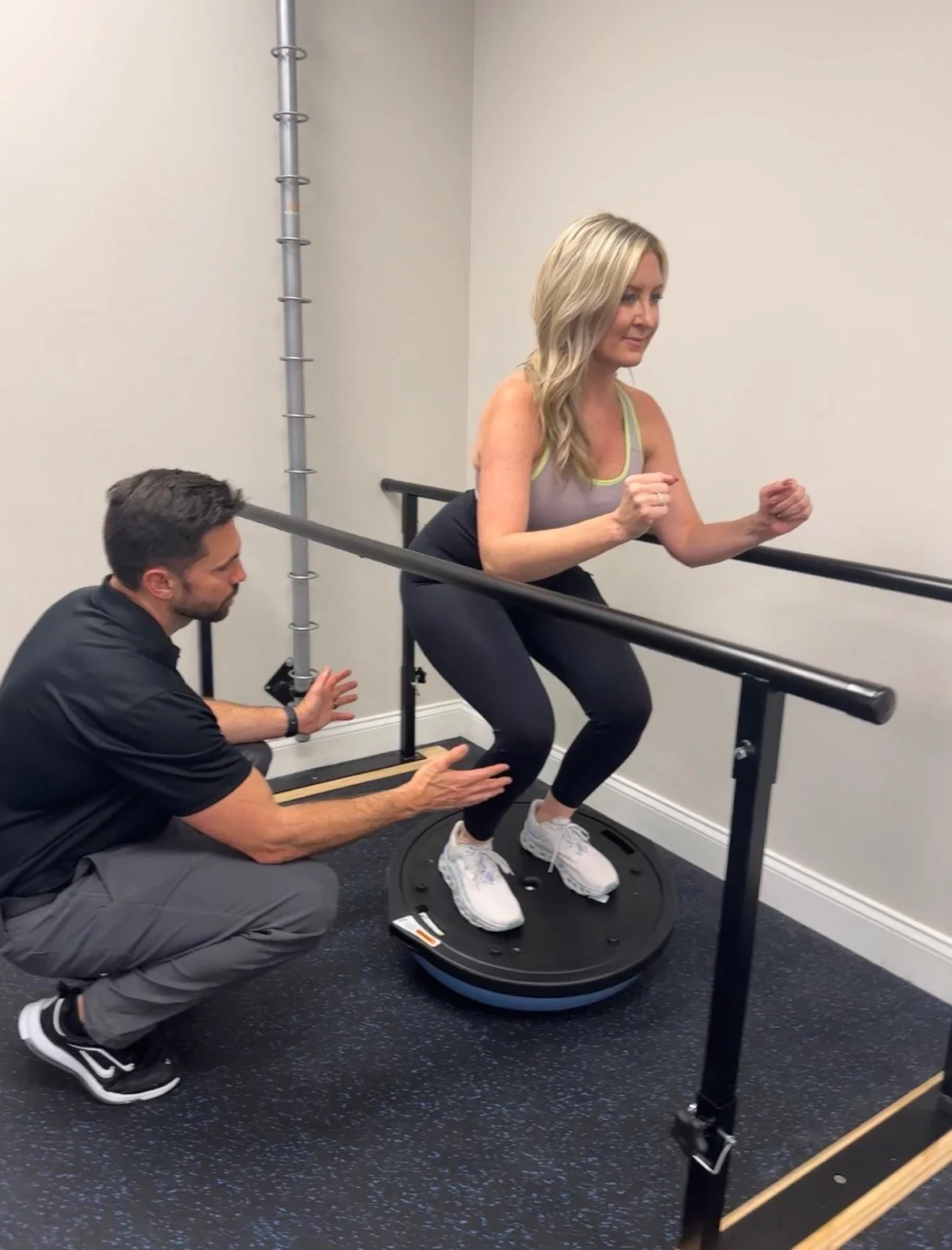
More Than Balance: Build Strength, Stability, and Confidence
Improving balance involves more than standing on one foot. It requires the strength, coordination, reaction time, and movement control needed to respond to everyday challenges.
At Fortified Physical Therapy, we develop these abilities through progressive, goal-oriented rehabilitation.
Improve Stability: Practice maintaining control while standing, reaching, turning, and changing positions.
Build Lower-Body Strength: Strengthen the muscles needed for walking, climbing stairs, rising from a chair, and recovering from small losses of balance.
Improve Walking Ability: Work on gait mechanics, turning, obstacle negotiation, and navigating different surfaces.
Train Dynamic Balance: Develop the ability to maintain stability while moving, changing direction, and performing everyday tasks.
Restore Confidence: Gradually build your tolerance for activities you may have started avoiding because of unsteadiness.
Your program is designed around your current abilities and progresses as your strength, stability, and confidence improve.
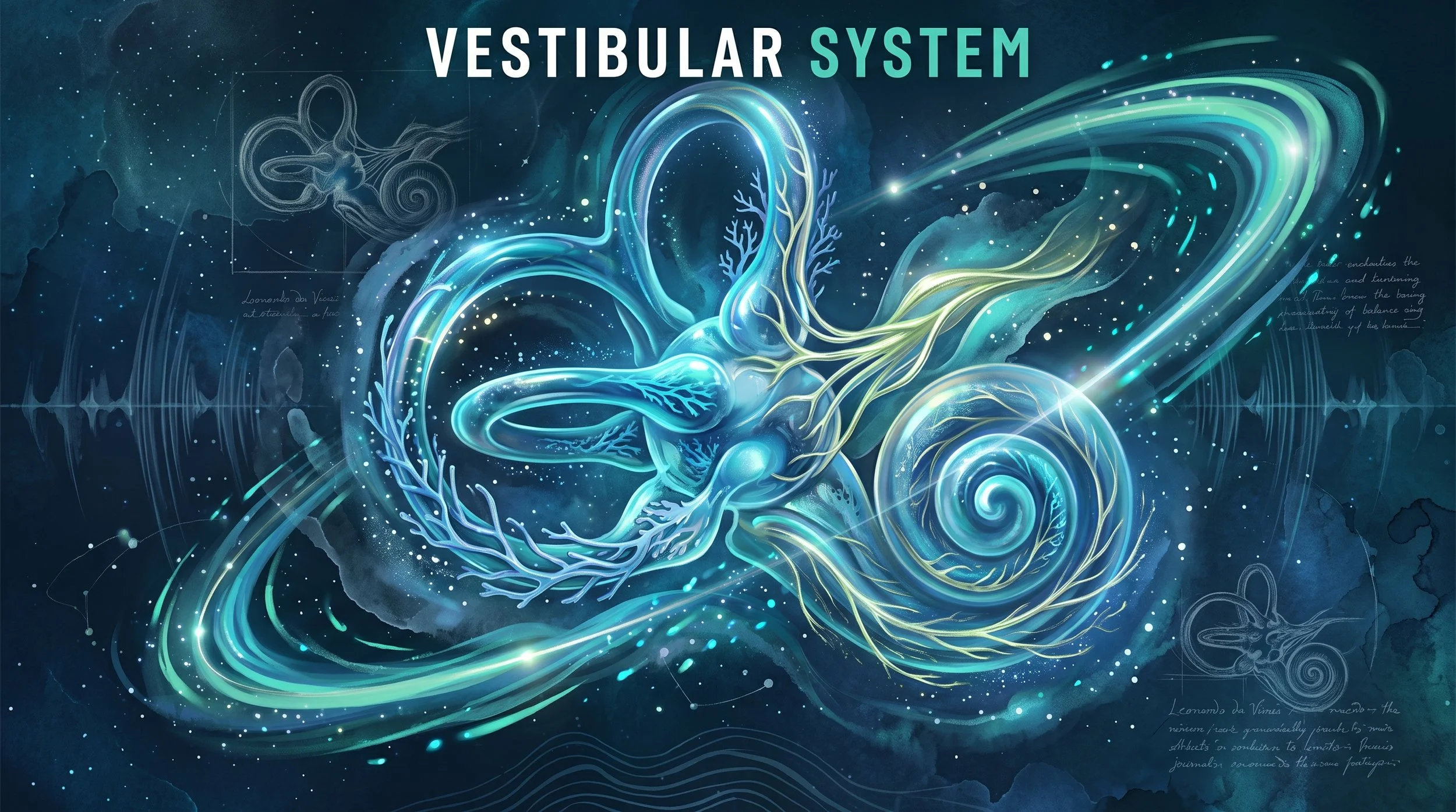
Vestibular Rehabilitation for Dizziness and Vertigo
Dizziness and vertigo can make ordinary activities uncomfortable or even frightening. Symptoms may occur when rolling over in bed, looking up, bending down, or moving your head while walking.
When an assessment indicates a vestibular problem, specialized rehabilitation may help improve symptoms and movement tolerance.
Depending on your condition, treatment may include:
Canalith Repositioning Maneuvers: Specific maneuvers for appropriate cases of BPPV to help reposition displaced inner-ear particles.
Gaze Stabilization Exercises: Exercises designed to improve visual stability during head movement when indicated.
Habituation Exercises: Carefully selected movements that may help reduce sensitivity to specific motion triggers.
Dynamic Balance Training: Activities that challenge balance while incorporating head and body movements.
Gait Training: Exercises designed to improve walking stability and confidence during movement.
Not all dizziness originates in the inner ear. Your evaluation helps determine whether vestibular rehabilitation is appropriate or whether referral for further medical assessment is needed.

What to Expect at Fortified Physical Therapy
1. Comprehensive Balance Evaluation
We assess your balance, walking, strength, coordination, mobility, and relevant medical history. If dizziness or vertigo is present, we evaluate whether vestibular testing or specialized assessment is appropriate.
2. Individualized Treatment Plan
Your program is based on your examination findings, activity limitations, and goals. Treatment may include balance training, strengthening, gait training, functional exercises, or vestibular rehabilitation.
3. Progressive Training
As your abilities improve, we adjust the difficulty and complexity of your exercises to help you handle more challenging everyday movements safely.
4. Improved Independence
Our goal is to help you feel more confident with daily activities, maintain your mobility, and participate more fully in the activities that matter to you.
Why Choose Fortified Physical Therapy for Balance Training?
Choosing the right physical therapy clinic means finding a provider who understands that balance problems affect both physical function and confidence.
At Fortified Physical Therapy, we emphasize:
Individualized Care: Treatment is based on your specific impairments, abilities, and goals.
Functional Rehabilitation: We focus on the balance and strength needed for real-world activities.
Evidence-Based Treatment: Rehabilitation strategies are selected according to your condition and evaluation findings.
Progressive Exercise: Your program adapts as your stability, mobility, and confidence improve.
Local Care in Melbourne, Florida: Receive personalized rehabilitation focused on helping you remain active and independent.